
プログラム
Day1
-
9月29日(火)10:00 【講演言語:英語】
Opening Remarks-1
-
9月29日(火)10:10-10:40 【講演言語:英語】
Organizer Session-1: Advancing Antibody Therapeutics Through Molecular Understanding, Analytical Characterization, and Formulation Design
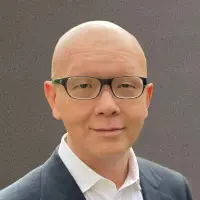
演者:Susumu Uchiyama, Ph.D., Professor, The University of Osaka and CSO, U-Medico Inc.
概要: The expanding diversity of antibody therapeutics, including monoclonal antibodies, Fc fusion proteins, bispecific antibodies, and antibody–drug conjugates, creates new challenges for analytical characterization and formulation development. Understanding how molecular structure, heterogeneity, and intermolecular interactions influence biological activity and stability is essential to addressing these challenges.
This opening lecture will provide an overview of the scientific principles connecting antibody characterization with formulation and delivery. Drawing on our research, I will discuss how complementary biophysical methods reveal relationships between molecular interactions, aggregation, viscosity, and phase behavior. Particular attention will be given to the combined assessment of colloidal and conformational stability as a basis for selecting formulation conditions.
The lecture will also address particle formation in prefilled syringes, focusing on protein adsorption, silicone oil, container surfaces, and handling stresses. Recent advances in particle analysis highlight the importance of evaluating particle composition alongside size and number, and of examining samples after passage through the injection needle. Experimental findings on immune responses will be distinguished from evidence of clinical immunogenicity.
Together, these topics will establish a framework for the seminar, emphasizing the integration of molecular understanding, complementary analytical methods, and formulation–container compatibility to support the development and quality control of antibody therapeutics throughout storage and administration.Prof. Susumu Uchiyama is Founder and Chief Scientific Officer of U-Medico Inc. and a Professor at the Graduate School of Engineering, The University of Osaka. His research focuses on protein biophysics and the characterization of biopharmaceuticals, with particular expertise in analytical ultracentrifugation and mass spectrometry. His experience includes research in Prof. Dame Carol Robinson’s laboratory, where he deepened his expertise in biomolecular mass spectrometry. Since helping establish U-Medico in 2006, he has guided its scientific strategy across analytical methods, quality evaluation, formulation, and manufacturing process development. His recent work extends to gene therapy vectors, particularly AAV, connecting detailed characterization with improvements in vector quality and production processes. Prof. Uchiyama has published over 300 peer-reviewed papers and reviews, contributing to both academic research and industrial applications in biopharmaceutical and gene therapy development.
-
9月29日(火)10:40-11:40 【講演言語:英語】
Keynote Lecture-1: Dreams of Antibody Engineers: ADC, bispecific antibodies, and beyond
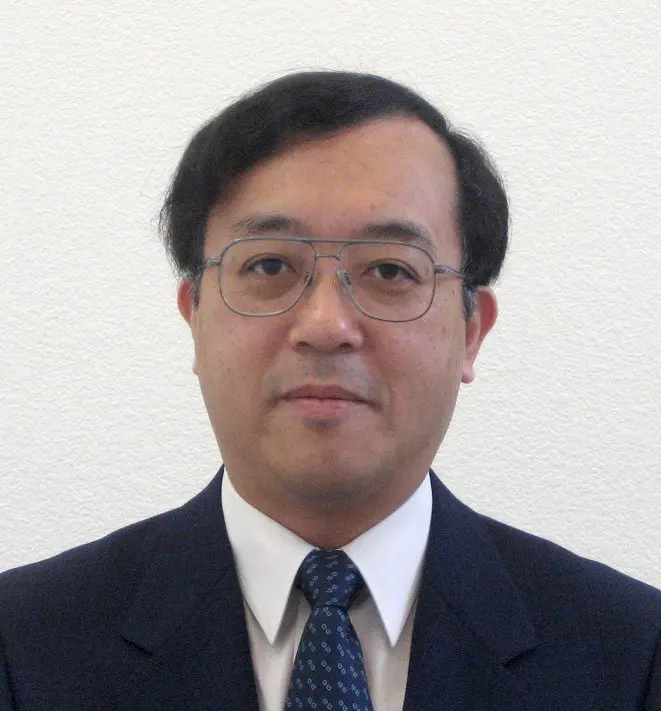
演者:Naoya Tsurushita, Ph.D., Managing Partner, JN Biosciences LLC
概要: An IgG antibody is a multifunctional protein that plays a critical role in the immune defense system. It binds tightly and specifically to an antigen, triggers cytotoxicity by its effector functions, and exhibits a long half-life in the circulation. Immediately after the introduction of the hybridoma technology in 1975, monoclonal antibodies (mAbs) captured eyes as a potential new category of human therapeutics. In 1982, a murine anti-idiotype mAb was reported to have achieved complete remission of a B-cell lymphocytic lymphoma patient. The fever with mAbs, however, soon got chilled due to high immunogenicity of mouse antibodies in humans. To solve this problem, antibody engineers came up with ideas to generate less immunogenic chimeric mAbs and then little immunogenic humanized mAbs, opening a door for their therapeutic use in humans. The first chimeric and humanized antibodies were approved for marketing by the U.S. FDA in 1994 and 1997, respectively.
Innovations by antibody engineers continued further beyond eliminating immunogenicity, including affinity maturation, modification of effector functions, and elongation of serum half-life. Moreover, two important classes of modality, i.e. antibody drug conjugate (ADC) and bispecific antibody (BsAb), were generated, tested, and improved over the time to meet the requirement for therapeutic use. The first ADC and BsAb were approved by the FDA in 2000 and 2014, respectively, but it took many additional years until their real value became appreciated in the medical field.
The near-term goals of antibody engineers include multispecific T cell (or other immune cell) engagers, delivery to the brain, targeting intracellular antigens, and so forth. After such challenges, is there anything left for antibody engineers? The answer is clearly no. If you are engaged deeply in antibody engineering, you will certainly come up with new ideas regardless of whether they are practical. Dreams of antibody engineers are endless. Current headache of antibody developers is perhaps that there are too many choices of ADC, BsAb and other modalities of engineered antibodies. It has become so difficult to select the optimal one that meets each one’s specific goal and situation. In this presentation, I will quickly review the history of antibody engineering and provide pros and cons of ADC, BsAb and other modalities from the viewpoint of an antibody engineer. I would also like to spend some time to provide my view of the future of antibody engineering.Co-Founder and Managing Partner, JN Biosciences LLC Dr. Naoya Tsurushita is Co-Founder and Managing Partner of JN Biosciences LLC, where he applies extensive expertise in antibody engineering to the discovery and development of therapeutic antibodies. Before co-founding JN Biosciences, he spent fourteen years at Protein Design Labs, Inc., progressing to Director of Protein Engineering. His work there encompassed monoclonal antibody humanization, Fc and effector-function engineering, optimization of affinity and specificity, extension of antibody and Fc-fusion protein half-life, and development of mammalian surface-expression technologies. Earlier in his career, he served as an Assistant Professor at Kyoto University’s Institute for Virus Research and completed postdoctoral training at Stanford University Medical Center and the University of California, Berkeley. Dr. Tsurushita earned his Ph.D. in Molecular Biology from Kyoto University and is an inventor on numerous U.S. patents related to therapeutic antibodies.
-
9月29日(火)11:50-12:50 【講演言語:日本語】
Luncheon Seminar-1
演者:Susumu Uchiyama, Ph.D., Professor, The University of Osaka and CSO, U-Medico Inc.
協賛:アズワン株式会社
概要:当社CSOの内山教授が、各展示企業様の最新技術やサービスについて、専門家としての率直な意見を交えながらご紹介します。
-
9月29日(火)13:30-14:10 【講演言語:日本語】
Sponsor Session-1: Top-Down Proteoform Characterization using eXd Fragmentation and Advanced Glycan Analysis for Biopharmaceuticals
演者:Satoshi Oshiro, Ph.D., Application Engineer, Bruker Japan K.K.
概要:Bottom-up mass spectrometry remains the gold standard for post-translational modification (PTM) analysis in biopharmaceutical characterization. However, the proteolytic digestion required for these workflows can obscure the molecular connectivity of multiple modifications within individual proteoforms. Recent advances in high-resolution mass spectrometry have accelerated the adoption of top-down approaches, enabling direct analysis of intact proteins and a more complete assessment of proteoform heterogeneity. Furthermore, detailed characterization of glycosylation is increasingly important for understanding critical quality attributes (CQAs) that influence the safety and efficacy of biotherapeutics.
In this presentation, we demonstrate the capabilities of the Bruker timsOmni platform for advanced biopharmaceutical analysis. We highlight top-down proteoform characterization using eXd, an electron-based fragmentation technique that provides precise control of fragmentation energy and supports detailed sequence and PTM analysis. In addition, we present workflows for comprehensive glycan and glycoprotein characterization, enabling in-depth structural elucidation of complex glycoforms. Together, these applications illustrate how next-generation mass spectrometry workflows can deliver comprehensive molecular characterization of complex biotherapeutics and support biopharmaceutical development and quality assessment. -
9月29日(火)14:10-14:40 【講演言語:英語】
Partner Session-1: Modern Formulation Development of Biologics: From Platform Approaches to Molecule-Specific Screening and Predictive In-Silico Modeling
演者:Simon Eisele, Ph.D., Director,Coriolis Pharma
概要: Accelerating biologics development requires formulation strategies that balance speed, material efficiency, and molecule-specific risk. Platform formulations can support rapid entry into first-in-human studies, but their empirical use may overlook liabilities related to conformational, colloidal, and chemical stability. Here, we present an integrated workflow combining early formulatability assessment, risk-based platform decisions, high-throughput pre-formulation screening, and predictive in silico modeling.
Biophysical characterization in standardized matrices allows candidate properties to be benchmarked, formulation-sensitive liabilities to be identified, and suitable pH and ionic-strength ranges to be defined. Candidates with favorable properties may proceed in a platform formulation, whereas higher-risk molecules require focused, molecule-specific pre-formulation screening. Computational methods complement these experiments by providing information from the primary sequence before substantial amounts of drug substance are available. Structure prediction, bioinformatics descriptors, machine-learning models, and molecular-dynamics simulations can identify outlying properties, high-concentration risks, degradation liabilities, and formulation-dependent self-association.
Recent publications from Coriolis Pharma, Menzen et al. (2026), Arsiccio et al. (2026), and Helbig et al. (2026), describe complementary elements of this workflow. They combine risk-based platform selection with experimental and computational methods for early candidate characterization. This integrated approach reduces experimental effort and supports earlier, molecule-specific decisions during drug product development. -
9月29日(火)14:40-15:10 【講演言語:英語】
Invited Lecture-1: Analytical, Formulation, and Developability Considerations for Bifunctional Fusion Antibodies
演者:Eun-Hyuk Chang, Ph.D., CSO, MediMabBio
概要:Bi-functional fusion antibodies offer therapeutic advantages yet introduce complexity beyond mAbs. This talk highlights key developability, analytical, and formulation considerations to broaden therapeutic windows.
Dr. Eunhyuk Chang is Chief Strategy Officer of MediMabBio, a biotechnology company developing rationally designed protein therapeutics for cancer, autoimmune disease, and inflammatory disorders. He brings experience in research and development strategy, global business development, partnering, and commercialization planning. Before joining MediMabBio, he held roles at Samsung Biologics and SK Biopharmaceuticals. Dr. Chang earned his doctorate in Neuroscience from the University of Oxford, where his research included neural stem cell biology and epigenetic regulation of neurogenesis. At MediMabBio, he contributes to the translation and global development of the company’s antibody and cytokine-fusion protein platforms and pipeline, helping connect scientific innovation with external partnerships and development strategy.
-
9月29日(火)15:40-16:20 【講演言語:日本語】
Sponsor Session-2: Advancing Biopharmaceutical Characterization with Orbitrap Technology
演者:Daisuke Higo, Sr Manager, Application Scientists, Thermo Fisher Scientific K.K.
概要:As biopharmaceuticals continue to increase in complexity, the demand for high-resolution, high-sensitivity mass spectrometry has become increasingly important. In this presentation, we will introduce biopharmaceutical characterization solutions enabled by the Thermo Scientific™ Orbitrap™ Excedion Pro™ Mass Spectrometer and the newly launched Thermo Scientific™ Orbitrap™ Tribrid™ Apex Mass Spectrometer. Through application examples in biopharmaceutical characterization and the analysis of complex biomolecules, we will demonstrate the latest analytical approaches that support research and development, as well as quality assessment.
-
9月29日(火)16:20-16:50 【講演言語:英語】
Invited Lecture-2: Formulation, Analytical, and CMC Considerations for Antibody-Drug Conjugate Development
演者:Gayathri Ratnaswamy, Ph.D., Principal, GRatnaswamy Consulting LLC
概要:Antibody-drug conjugates (ADCs) are a rapidly expanding class of targeted therapeutics that combine the antigen specificity of monoclonal antibodies with the potent cytotoxic activity of small-molecule drugs. While conjugation enables selective drug delivery and improved therapeutic index, it also alters the physicochemical properties of the antibody, creating unique challenges in formulation development, analytical characterization, and drug product development. This presentation will examine the chemistry, manufacturing, and controls (CMC) challenges associated with the newer generation ADCs and discuss practical strategies for addressing these issues through case studies.
Dr. Gaya Ratnaswamy is a Principal at GRatnaswamy Consulting LLC with more than twenty years of experience in parenteral formulation, drug-product development, and analytical development for biologics, including monoclonal antibodies, antibody-drug conjugates, recombinant proteins, and biosimilars. Previously, she served for eight years as Director of Analytical and Formulation Development at Agensys, an Astellas company, where she contributed to the development of enfortumab vedotin. Earlier, she spent ten years in Process and Product Development at Amgen, developing platform formulations for early-stage molecules and formulations and lyophilization processes for late-stage products. Her expertise includes protein formulation, fill/finish, lyophilization, technology transfer to contract manufacturers, analytical comparability, method development and transfer, CMC strategy, project planning, and regulatory documentation. She earned her Ph.D. in Chemistry from Brandeis University and completed postdoctoral fellowships at Princeton University and The Scripps Research Institute.
-
9月29日(火)17:00-17:30 【講演言語:英語】
Panel Discussion
Day2
-
9月30日(水)9:00 【講演言語:英語】
Opening Remarks-2
-
9月30日(水)9:20-10:10 【講演言語:英語】
Keynote Lecture-2: Current Status and Future Perspectives in AAV Vector Manufacturing and Analysis
演者:Susumu Uchiyama, Ph.D., Professor, The University of Osaka and CSO, U-Medico Inc.
概要:The number of approved gene therapy products using adeno-associated virus (AAV) vectors continues to grow, with increasing evidence of clinical benefit. However, overcoming challenges in chemistry, manufacturing, and controls (CMC) remains essential for AAV-based products to become widely established as a therapeutic modality. This presentation will examine AAV vector manufacturing, quality characterization, and regulatory considerations during early clinical development, with a view toward eventual commercialization. Drawing on the underlying science, it will outline current challenges and key considerations and discuss future directions.
Prof. Susumu Uchiyama is Founder and Chief Scientific Officer of U-Medico Inc. and a Professor at the Graduate School of Engineering, The University of Osaka. His research focuses on protein biophysics and the characterization of biopharmaceuticals, with particular expertise in analytical ultracentrifugation and mass spectrometry. His experience includes research in Prof. Dame Carol Robinson’s laboratory, where he deepened his expertise in biomolecular mass spectrometry. Since helping establish U-Medico in 2006, he has guided its scientific strategy across analytical methods, quality evaluation, formulation, and manufacturing process development. His recent work extends to gene therapy vectors, particularly AAV, connecting detailed characterization with improvements in vector quality and production processes. Prof. Uchiyama has published over 300 peer-reviewed papers and reviews, contributing to both academic research and industrial applications in biopharmaceutical and gene therapy development.
-
9月30日(水)10:10-10:40 【講演言語:英語】
Invited Lecture-3: Innovating Within Control: A CMC Strategy for Regulatory Readiness for AAV based therapies
演者:Anthony Chikere, Ph.D., Senior Director, Sangamo Therapeutics, Inc.
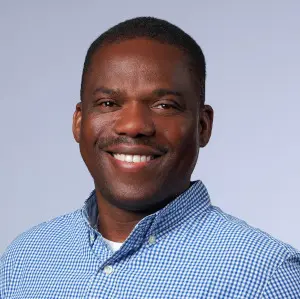
概要:AAV-based gene therapies require a careful balance between innovation and regulatory compliance. This presentation highlights a pragmatic CMC strategy for achieving regulatory readiness by integrating robust control strategies, risk-based product and process characterization, and phase-appropriate analytical development. Key considerations for managing process changes, demonstrating comparability, and maintaining product quality throughout development will be discussed. Real-world examples will illustrate how organizations can advance manufacturing and analytical innovations while ensuring compliance, accelerating development, and supporting successful regulatory submissions.
Senior Director, Vector Process Development & MSAT, Sangamo Therapeutics. Anthony Chikere, Ph.D., is an experienced biopharmaceutical professional with expertise in process development and manufacturing of biologics and viral vectors for gene therapy. He has held key roles at Johnson & Johnson, BioMarin, Grifols, and Bayer, with responsibilities spanning process development, MSAT, process validation, technology transfer, and commercial manufacturing support for protein biologics. At Sangamo Therapeutics, he leads vector process development and MSAT activities, with a particular focus on AAV process development, scale-up, process characterization, and manufacturing technologies. He brings extensive practical experience in developing robust and scalable manufacturing processes for gene therapy products.
-
9月30日(水)10:50-11:30 【講演言語:英語】
Sponsor Session-3: New Possibilities for Large and Heterogenous Molecule Detection with Charge Detection Mass Spectrometry
演者:Emily Christofi, Ph.D., Scientist, Waters Corporation

概要:Charge Detection Mass Spectrometry (CDMS) is rapidly reshaping how scientists characterize megadalton‑scale biomolecules. This presentation will showcase how CDMS has progressed from an emerging technology to a powerful, application‑ready platform. We will share real‑world application examples, demonstrating how Xevo CDMS is being used in practice to address analytical challenges associated with large proteins, complexes, and other megadalton analytes, including latest product enhancements, newly released capabilities, and an outlook on what’s coming next for this exciting technology.
-
9月30日(水)11:30-12:30 【講演言語:日本語】
Luncheon Seminar-2
演者:Susumu Uchiyama, Ph.D., Professor, The University of Osaka and CSO, U-Medico Inc.
協賛:アズワン株式会社
概要:当社CSOの内山教授が、各展示企業様の最新技術やサービスについて、専門家としての率直な意見を交えながらご紹介します。
-
9月30日(水)13:10-13:40 【講演言語:英語】
Invited Lecture-4: Engineering Next-Generation Viral Vectors: Improving Safety, Efficiency, and Functionality
演者:Kwang-il Lim, Ph.D., Professor, Sookmyung Women's University and CTO, Bio Design Lab
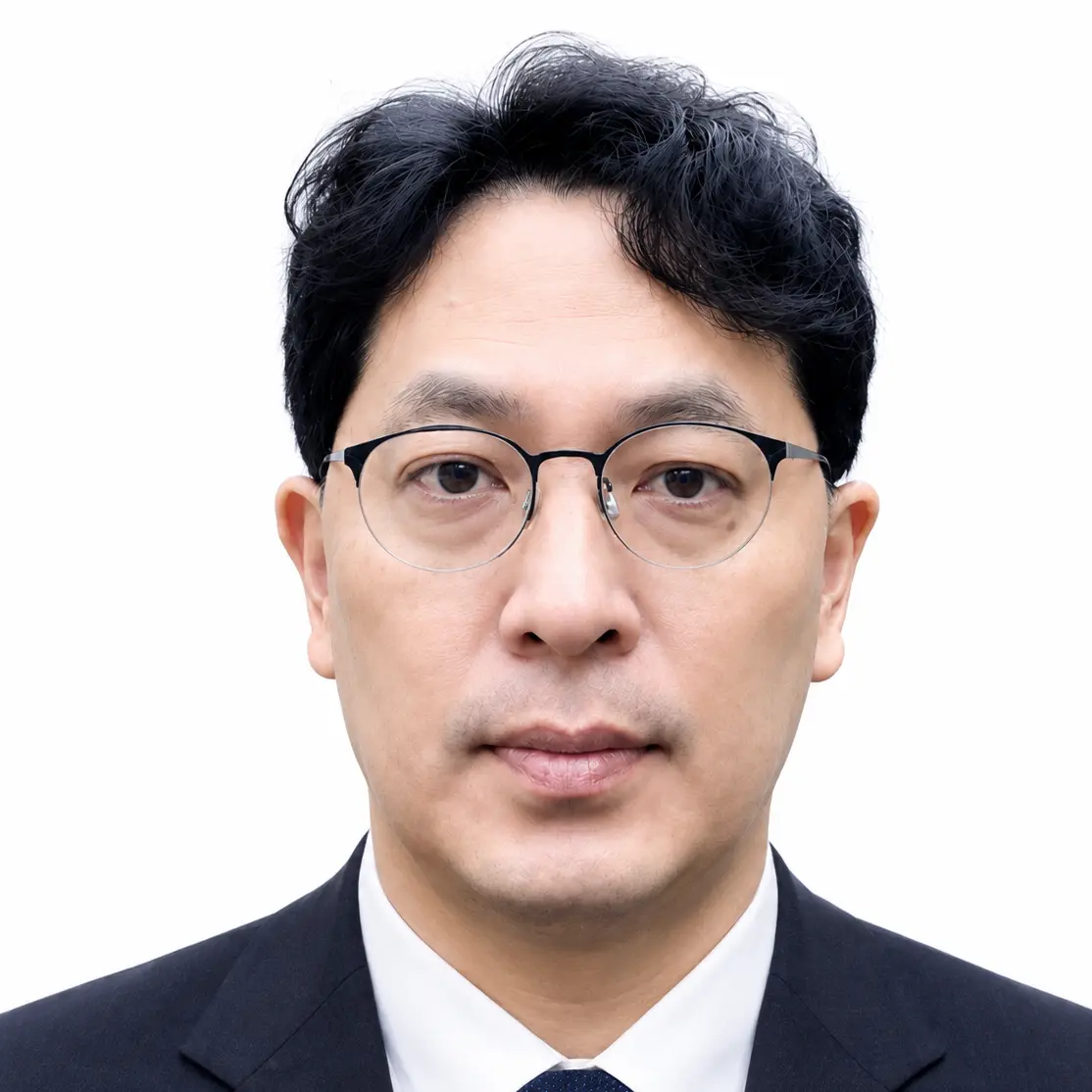
概要:Retroviral and lentiviral vectors have become indispensable platforms for gene and cell therapies, yet challenges related to genomic safety, transduction efficiency, and vector functionality continue to limit their broader therapeutic applications. This presentation will introduce our recent efforts to engineer next-generation viral vectors by integrating molecular engineering with systems and synthetic biology approaches. First, I will present strategies for improving genomic safety through engineering of retroviral integration profiles, enabling more favorable insertion patterns while maintaining efficient gene delivery. I will also discuss the development of non-integrating retroviral vectors through integrase engineering, providing AAV-like episomal gene expressions while offering several advantages, including larger cargo capacity, efficient ex vivo cell transduction, scalable manufacturing, and reduced concerns regarding pre-existing immunity. Robust transgene expression achieved following subretinal and intramuscular administration will be briefly presented. Finally, I will briefly introduce our ongoing efforts toward in vivo immune cell engineering using advanced viral vector technologies as a future direction. Together, these studies will illustrate how systems-level vector engineering can improve the safety, efficiency, and functionality of next-generation gene delivery systems for gene, cell, and immune therapies.
Professor Kwang-il Lim is Co-Founder and Chief Technology Officer of Bio Design Lab and Professor in the Department of Chemical and Biological Engineering at Sookmyung Women’s University. His research integrates systems biology, synthetic biology, molecular diagnostics, and protein, gene, genome, and cell engineering to develop next-generation gene, cell, and immune therapies. At Bio Design Lab, he leads the development of advanced viral vector platforms, including next-generation retroviral and lentiviral vectors engineered to improve the safety, transduction efficiency, targeting capability, and manufacturability of gene delivery systems for cell and gene therapies. His academic research has contributed to viral vector engineering, synthetic genetic systems, genome engineering, molecular diagnostics, and the design of safer and more efficient gene delivery technologies. Professor Lim received his Ph.D. from the University of Wisconsin–Madison and completed postdoctoral research at the University of California, Berkeley, where he conducted research in gene therapy and stem cell biology.
-
9月30日(水)13:40-14:10 【講演言語:日本語】
Partner Session-2: AEX Analysis of rAAV Full and Empty Capsids Using Inert HPLC system / Antibody-Free rAAV Serotype Identification by MALDI–Mass Spectrometry Using a Weighted Scoring Algorithm / Sepragen Solutions for Scalable Downstream Bioprocessing
演者:Miho Akagi, Application Chemist, Ryoji Nakatsuka, Ph.D., Research Engineer, Miki Mukai, Research Engineer, Shimadzu Corporation
概要:The rapid growth of gene and biopharmaceutical therapies has increased the need for advanced analytical and manufacturing technologies that support efficient product development, quality control, and cost-effective production. Recombinant adeno-associated virus (rAAV), a leading vector for gene therapy, requires robust characterization of critical quality attributes, including full/empty capsid composition and serotype identity. To address these needs, Shimadzu Corporation is developing analytical solutions based on chromatography and mass spectrometry. For full/empty capsid analysis, anion-exchange chromatography (AEX) using an inert HPLC system, method development support software, and PDA-based spectral deconvolution enables efficient evaluation while reducing method optimization burdens across multiple serotypes. For serotype identification, a matrix-assisted laser desorption/ionization mass spectrometry (MALDI-MS) workflow combined with a novel weighted scoring algorithm provides rapid, antibody-free, and automated classification of both wild-type and engineered rAAV variants, with implementation planned on a GMP- and Part 11-compliant platform. In parallel, advances in downstream bioprocessing are essential for scalable manufacturing. We also introduce Sepragen’s chromatography technologies, including its proprietary Radial Flow Column (RFC), which improves resin utilization, throughput, scalability, and facility efficiency. Together, these analytical and purification innovations contribute to more robust quality control and more economical biopharmaceutical manufacturing.
-
9月30日(水)14:30-15:20 【講演言語:日本語】
Sponsor Session-4: Characterization of biomolecules in solution by mass photometry
演者:Kohei Shiba, Ph.D., Country Manager, Refeyn Japan
概要:We introduce mass photometry (MP) for obtaining biomolecular characterization in solution. MP is expected to provide prediction of sample stability, sample purity, empty/loaded ratio of AAVs, and other many applications.
-
9月30日(水)15:20-15:50 【講演言語:英語】
Invited Lecture-5: The coming wave: targeted LNPs
演者:Philipp Beck, Ph.D., Manager, Ascend Advanced Therapies Ltd
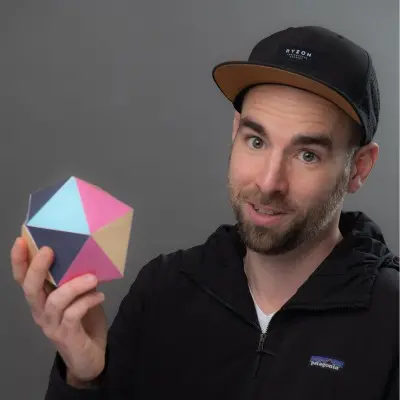
概要:Lipid nanoparticles reach the liver by default, not by design — an accident of ApoE opsonisation and LDL-receptor uptake that the field has spent a decade learning to work with. Verve Therapeutics' shift from VERVE-101 to VERVE-102 serves as the central case: introducing a GalNAc ligand alongside a new ionisable lipid, not to exclude other tissues, but to open a second receptor route (ASGPR, alongside native LDLR) into liver cells the LNP already reached. The result was comparable or improved efficacy at markedly better tolerability, widening the therapeutic window through efficiency of entry rather than the organ exclusivity most earlier targeting efforts pursued instead. Building on this framework, the emerging landscape of targeted LNPs beyond the liver (SORT lipids, antibody- and peptide-conjugated particles aimed at lung, immune cells, and CNS) is surveyed, alongside the analytical challenges targeting introduces: in vitro receptor-binding assays to confirm functional targeting, and lipid content analysis to verify ligand incorporation and composition. The talk asks which of these two strategies, exclusivity or efficiency, each new target will need.
Dr. Philipp Beck is a formulation-development scientist at Ascend Advanced Therapies with experience in the discovery and development of mRNA- and adeno-associated virus-based therapeutics. Trained as a chemist, he focuses on bridging the gap between in vitro formulation concepts and successful in vivo delivery. His work addresses practical formulation and administration challenges that can affect the recovery, stability, and effective dose of gene-therapy vectors. Recent research presented by Ascend has examined formulation optimization to reduce cannula-associated vector loss during precision AAV delivery to the brain, highlighting the importance of drug-product and delivery-system interactions. Dr. Beck also contributes to broader CMC and comparability considerations for AAV products, combining formulation science with the translational needs of gene-therapy development.
-
9月30日(水)16:10-16:40 【講演言語:英語】
Invited Lecture-6: USP AAV standards to support quality testing and characterization
演者:Minkyung Kim, PharmD, MBA, Senior Scientific Affairs Manager, United States Pharmacopeia
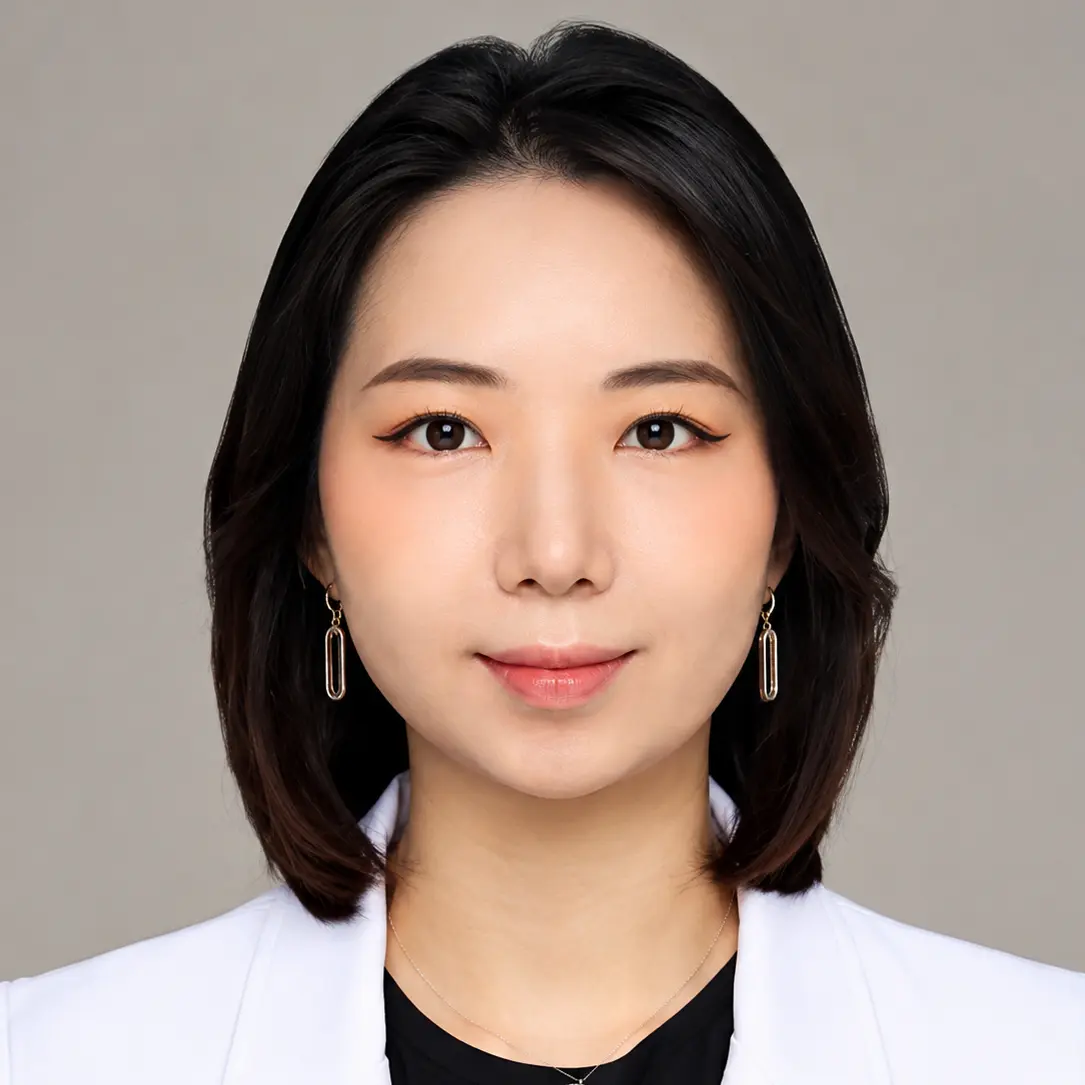
概要:This presentation introduces USP public standards for quality testing and characterization of AAV gene therapies. USP has developed General Chapter <1067> alongside reference materials for capsid titering, empty/full ratios, and residual DNA impurities to enhance assay accuracy and analytical reliability in manufacturing.
Dr. Minkyung Kim is Senior Scientific Affairs Manager for the Asia-Pacific region at the United States Pharmacopeia (USP). A pharmacist licensed in both Pennsylvania and South Korea, she works with industry, regulators, and scientific stakeholders to advance understanding and application of public quality standards for biologics and advanced therapies. Her areas of engagement include monoclonal antibodies, cell and gene therapies, raw materials, bioassays, peptides, and related reference standards. She has led scientific landscape assessments and collaborative activities designed to identify regional and global challenges in product development and quality. Dr. Kim holds Pharm.D., M.B.A., and M.Sc. degrees and regularly contributes to scientific workshops and educational programs that connect pharmacopeial standards with practical CMC, analytical, and regulatory needs.
-
9月30日(水)16:40-17:10 【講演言語:英語】
Panel Discussion